
BCCI's Two-Team Gamble: A Cure for the Middle-Overs Choke or Pure Chaos?

Published 2026-11-03 · By Vikram Desai (Chief Cricket & Analytics Editor · New Delhi Desk)
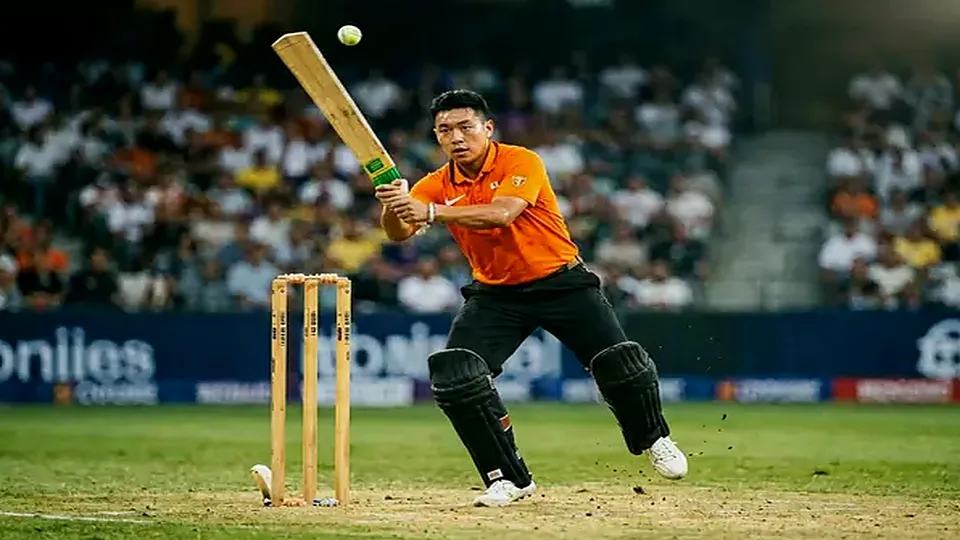
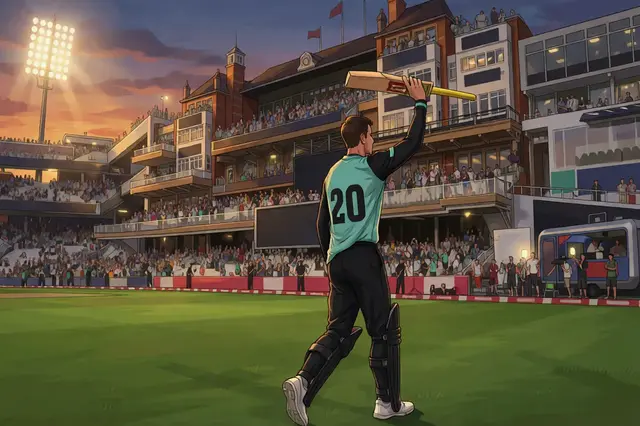
The selection meeting in the BCCI boardroom usually smells of expensive tea and cautious diplomacy. But the latest chatter leaking from the corridors suggests a sudden, jagged departure from the norm. Two squads. Two distinct units. One national identity. The board is reportedly weighing a radical two-team structure for the T20I setup, effectively splitting the talent pool to ensure the Ranji grind doesn't stop while the stars are chasing franchise checks.
It sounds efficient on a spreadsheet. In reality? It is a gamble. We have spent a decade trying to build a cohesive dressing-room culture, only to potentially carve it in half. Who decides who is 'Core' and who is 'Reserve'? That is the kind of hierarchy that breeds resentment in the nets.
The Death of the 'Next in Line' Logic
For years, the Indian setup has relied on a linear progression. You dominate the domestic circuit, you get a call-up, you survive the new-ball burst, and you stick. This two-team proposal throws that out the window. If the BCCI creates two parallel squads, we risk creating a caste system within the national team. One group gets the high-profile venues; the other gets the sticky red-soil tracks and the thankless jobs.
The logic is that it increases depth. We've seen the middle-overs choke happen too often in high-pressure games. By having two battle-ready sides, the BCCI hopes to eliminate the 'rust' that plagues backup players. But cricket isn't a conveyor belt. It is about rhythm. It is about knowing exactly how your teammate reacts when a partnership collapses at 40-3.
Calculating the Risk and the Odds
From a purely analytical standpoint, the volatility increases. For those hunting for the latest cricket betting tips India offers, this structural shift is a nightmare for predictability. How do you price a match when the 'A' team might be a mix of rested veterans and hungry debutants? The boundary-percentage will swing wildly. The dew factor after 8:30 PM IST becomes even more critical when you aren't sure if the bowler in the attack is a seasoned pro or a skiddy hard-length specialist on a trial run.
The math doesn't always add up. If you split the squad, you split the coaching focus. You can't have one head coach overseeing two distinct philosophies. It leads to tactical drift.
The Impact Player Hangover
We are already dealing with the Impact Player gamble in the IPL, which has skewed how we view the role of the all-rounder. Now, the board wants to apply a similar 'plug-and-play' mentality to the national side. It is an obsession with optimization over intuition. The game is played on grass, not in a lab.
"The beauty of the Indian team has always been the internal competition. If you institutionalize that competition into two separate camps, you lose the friction that makes players better."
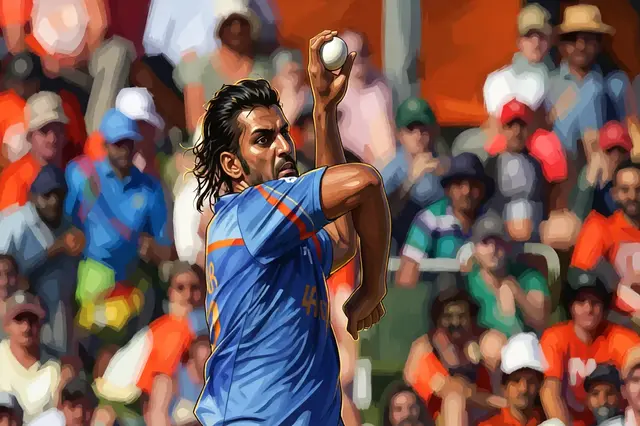
Consider the bowling at the death. That is a skill honed through repetitive, high-pressure exposure. If a bowler is shuffled between 'Team A' and 'Team B' based on a rotation policy, they never develop the mental callus required for the final over of a World Cup semi-final. You cannot simulate that pressure in a secondary squad setup.
A Dangerous Precedent
Is the BCCI bored? Or are they genuinely terrified of a talent vacuum? The current crop is aging. The transition period is always messy. But trying to engineer a solution through a dual-structure feels like using a sledgehammer to fix a leaking tap. We need more quality wickets in domestic cricket, not more administrative layers.
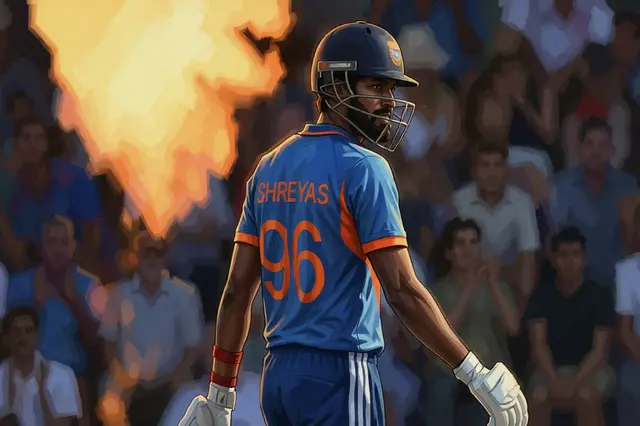
The players will tolerate it for a while. The fans will be confused. The analysts will scratch their heads. But in the long run, this could dilute the prestige of the blue cap. If there are two teams, is the second one really 'India'? Or is it just a glorified India-A side with a better marketing budget?
Stick to the basics. Play the best eleven. Let the Ranji Trophy do the sorting. Anything else is just noise.
Related coverage
- India A’s Toothless Attack: Boyle and Foxcroft Rip Through the Lineup
- UPI Circle Hacks the Cricket Betting Tips India Grind: Split Billets, Zero Fee

Updated 2026-11-03 · Instant Rupee Deposits & 60s Withdrawals · 24/7 Support.
Access Official AlternativesTips Portal →Mobile Gaming & UPI Fintech Editor · Pune Desk
Arjun Sen benchmarks mobile sports platforms, Android APK performance, and instant UPI payment rails from Pune. He writes AlternativesTips's weekly verification column on cricket betting tips india.
Reader Discussion & Match Reactions (4)4.8★ Community (4 Comments)
Verified Indian cricket reader perspectives & tactical debate on alternativestips.com
Bhai, splitting the Indian T20I setup into two squads sounds tempting for the Ranji grind, but the hierarchy worry is real. If the Core takes high-profile venues and the Reserve gets sticky red-soil tracks, resentment will build faster than a middle-overs spell can settle the score.
For fantasy XI managers, two Indian squads could keep backup players match-sharp without the rust the BCCI wants to eliminate. But if players rotate between the Core and Reserve units, the batting order and form of Ranji grinders become impossible to read, making captaincy combinations and middle-over picks even harder.
The tactical case only works if both Indian units attack the middle-overs choke without letting the backups gather rust. A squad accustomed to sticky red-soil tracks and another to high-profile venues needs different role plans; otherwise BCCI’s two-team structure merely duplicates the same selection dilemma.
@Rohit_Paltan99, your caste-system worry is justified: one Indian squad taking high-profile venues while the other handles sticky red-soil tracks would create an instant pecking order. The BCCI must publish rotation rules and roles, or 'Core' versus 'Reserve' will become a resentment factory, not a depth system.