
India A’s Toothless Attack: Boyle and Foxcroft Rip Through the Lineup

Published 2026-11-02 · By Vikram Desai (Chief Cricket & Analytics Editor · New Delhi Desk)
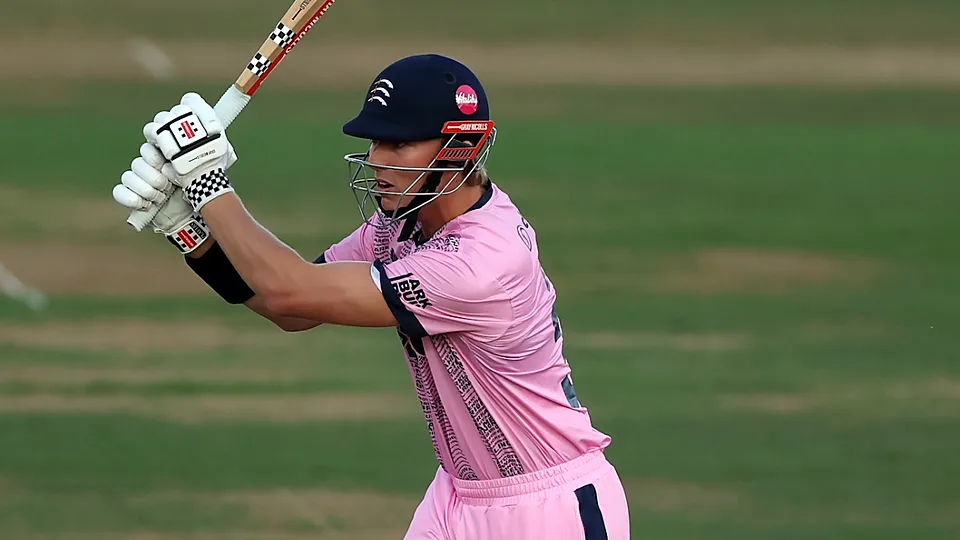
Thirteen for three. That was the scoreboard. The air smelled of victory, and the India A dressing room was practically popping champagne. Then came Matthew Boyle and Dean Foxcroft. They didn't just survive; they dismantled a bowling attack that looked world-class for exactly eight overs.
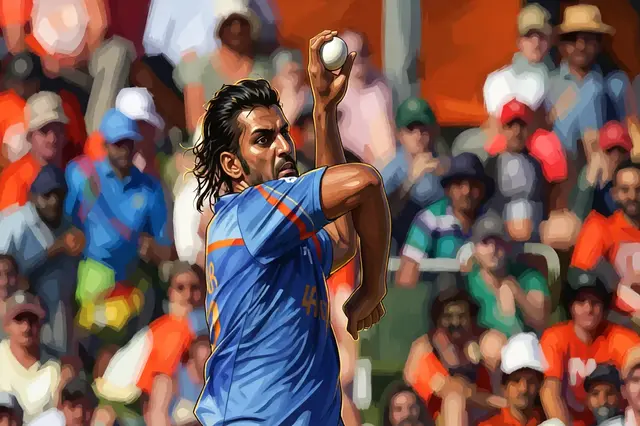
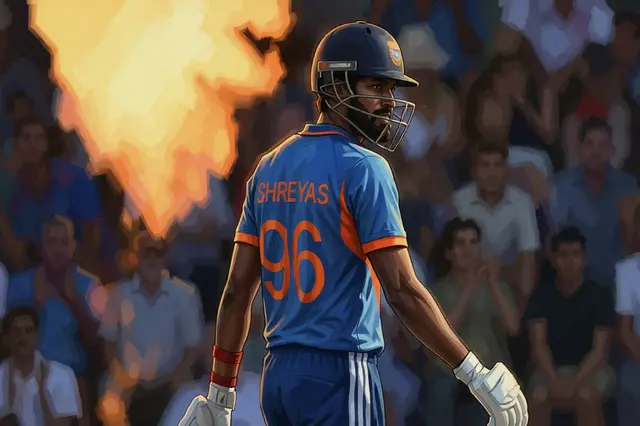
Two hundred and five runs. That is the current cost of arrogance. To go from a dominant collapse to a daylight robbery of this magnitude suggests a complete failure in tactical flexibility. The new-ball burst was electric, sure, but once the shine vanished, the Indian bowlers looked like they were tossing beach balls in a backyard.
The Art of the Middle-Overs Choke (Or Lack Thereof)
We have seen this movie before. India A starts with a roar and ends with a whimper. The problem isn't the talent—it's the grind. Boyle and Foxcroft didn't play flamboyant shots; they played the kind of suffocating, low-risk cricket that defines the Ranji grind. They targeted the gaps, manipulated the strike, and waited for the Indian captain to panic.
And panic he did. The field spreads became too defensive too early. The lengths drifted. Suddenly, a skiddy hard length became a half-volley, and a good length became a medium-pace buffet. When you see two batsmen putting on a double-century after a collapse, you aren't watching a miracle. You are watching a bowling attack that has forgotten how to build pressure.
For those scouring the web for the latest cricket betting tips India, the lesson here is simple: never bet against a Kiwi's grit, and never assume an Indian lead is safe until the final wicket falls. The volatility of this A-side is a nightmare for any punter.
A Lesson in Red-Soil Futility
The pitch played a part, obviously. It wasn't exactly a sticky red-soil track that offered uneven bounce or sharp turn. It was a flat, lifeless slab of concrete that offered nothing after the first hour. But that is where the analytics fail and the intuition begins. If the ball isn't swinging, you bowl into the pitch. You cramp the batsman for room. You don't keep bowling the same predictable line for thirty overs.
Look at the boundary-percentage. Foxcroft wasn't hitting everything for six; he was milking the singles and punishing the loose balls. It was surgical. The Indian bowlers, meanwhile, looked exhausted by 2:00 PM. The body language was telling. Shoulders slumped. Slow walk-backs. A total absence of the 'killer instinct' required to break a stubborn partnership.
"We had them on the ropes, but we couldn't find the way back. The partnership just grew and grew until we felt completely out of the game."
The Selection Headache
This is exactly why the national selectors worry about the 'A' team pipeline. If these bowlers cannot sustain pressure against New Zealand A, how will they survive a tour of the Gabba or the Basin Reserve? The gap between a 'good spell' and 'controlling a game' is a canyon.
India A needs to stop relying on the early breakthrough. They need a plan for when the pitch goes dead. Right now, the blueprint is non-existent. They lacked a genuine wicket-taking option once the initial shine wore off, leaving the captain to rotate bowlers like a carousel of desperation.
It has been a long, hard day in the field. A brutal lesson in resilience. The scoreboard reads 200+, but the real number is zero—the amount of tactical adjustments made by the Indian camp today.
Related coverage
- KKR vs LSG: Dew Factor & Impact Player Bets for Tuesday Night Match
- Vaibhav Sooryavanshi's Run-Power Dictates High-Boundary Bets for Pune Fans

Updated 2026-11-02 · Instant Rupee Deposits & 60s Withdrawals · 24/7 Support.
Access Official AlternativesTips Portal →Mobile Gaming & UPI Fintech Editor · Pune Desk
Arjun Sen benchmarks mobile sports platforms, Android APK performance, and instant UPI payment rails from Pune. He writes AlternativesTips's weekly verification column on cricket betting tips india.
Reader Discussion & Match Reactions (2)4.7★ Community (2 Comments)
Verified Indian cricket reader perspectives & tactical debate on alternativestips.com
Check the telemetry: 13 for 3 after eight overs, then 205 more without a breakthrough, which is roughly 40-plus overs of bloodless singles. The moment the shine went, that skiddy hard length drifted into half-volleys and every economy figure collapsed. The skipper's early field spread basically let Boyle and Foxcroft milk runs at zero risk.
Odd that the piece rails at the bowlers alone — who picked this A side with no Ranji-toughened quick behind the new-ball pair? Boyle and Foxcroft simply ground it out while the author's beloved captain spread fields early; that is panic, not a plan. One afternoon like this and the same selectors will quietly shelve those bowlers.