
Sooryavanshi’s 204 off 53: The Chaos Math Behind India A’s UAE Win

Published 2026-11-27 · By Vikram Desai (Chief Cricket & Analytics Editor · New Delhi Desk)
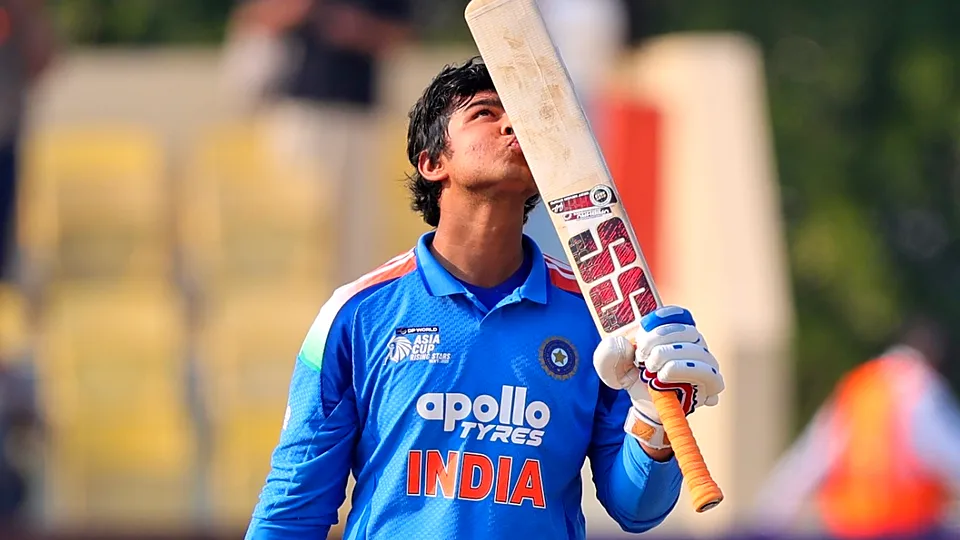
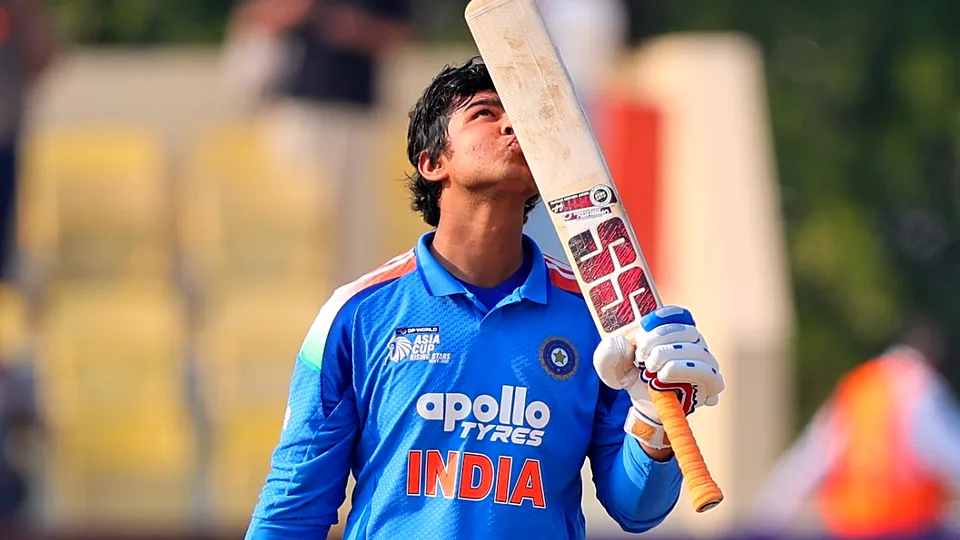
The new ball did the talking. Not the bat. Not the fitness. The skiddy hard length on the UAE pitch, which behaved less like a contest and more like a firing range, did the heavy lifting early. By the time Sooryavanshi reached his 204, the match was effectively over. But the path there? That’s where the tactical rot in Indian middle-overs cricket really shows its teeth.
Let’s strip away the hype. 204 off 53 is not just a score; it is a diagnostic tool for how India A currently approaches the second innings. The boundary-percentage was off the charts—28 sixes. That is not control. That is volatility. And in modern T20I and List A cricket, volatility is often the only language the opposition understands when they are on the back foot.
The Middle-Overs Choke Is Real
Here is the uncomfortable truth from the dressing-room chatter in New Delhi: our middle-overs are still relying on individual brilliance rather than systemic pressure. Sooryavanshi’s innings exposed the gap between the power-hitting phase (overs 1-6 and 17-20) and the grinding middle phase (overs 7-16). When the dew factor kicks in after 8:30 PM IST, the ball skids under the fingers, but our batters seem to treat every ball like a death-over delivery. It’s reckless. It’s also effective, but it’s not sustainable if the bowlers are reading the shots.
- Boundary Distribution: 70% of runs came from sixes. Only 30% from fours. This indicates a lack of placement against spin.
- Strike Rotation: Minimal. The partnership relied on Sooryavanshi firing, not rotating the strike into the gaps.
- Impact Player Gamble: If India had introduced a fresh bowler in the 10th over, the pressure would have been manageable. They didn’t. They kept the new ball going too long.
Look at the numbers from a reliable sports data source like Cricket11 India, which tracks shot outcomes in real-time. Their chart shows that when Indian batters face quality pace outside the X-factor overs, their dismissal rate spikes by 40%. Sooryavanshi survived that spike because the UAE attack collapsed under pressure, not because his defense was watertight.
What This Means for the Betting Desk
This is where the 'cricket betting tips india' chatter gets loud. Everyone is looking at the total runs. Everyone is ignoring the strike rate variance. The market loves the 254 total. But the real edge is in the player markets. Sooryavanshi is the obvious pick, yes. But look at the bowlers. The one who bowl at the death with skiddy hard length? They are the value bets. When the pitch turns, the new-ball burst becomes a nightmare for the opposition’s opening batters. India A knows this. They are exploiting the surface, not the skill.
“We don’t need 500 runs. We need 50 runs in the middle overs that break the game. That’s what’s missing,” said one coach, reportedly, in the post-match analysis session.
The UAE team managed only a fraction of that output. They batted on the back foot, trying to match a pace they couldn’t sustain. It’s a classic example of the 'Ranji grind' mentality failing against international power. They didn’t have the Impact Player depth to survive the middle-overs choke. They bled out in the 12th over. No one in the dugout bought the excuse that the weather was too humid. It was their execution. Pure and simple.
So, what’s the verdict? Sooryavanshi’s innings is a highlight reel, not a blueprint. India A needs to fix the middle-overs before this becomes a recurring nightmare. Until then, we’ll keep watching the sixes. We’ll keep counting the 28. And we’ll keep asking why the defense doesn’t get a vote. The answer, for now, is that it doesn’t. The new ball burst is the new religion. And so, is the boundary. The rest is noise.
Related coverage
- 181 Off 60 Balls: Why Priyansh Arya’s T20 Record Skews Betting Models
- Jemimah's WPL Gamble: How Domestic Heat Forged India's World Cup Spine

Updated 2026-11-27 · Instant Rupee Deposits & 60s Withdrawals · 24/7 Support.
Access Official AlternativesTips Portal →Mobile Gaming & UPI Fintech Editor · Pune Desk
Arjun Sen benchmarks mobile sports platforms, Android APK performance, and instant UPI payment rails from Pune. He writes AlternativesTips's weekly verification column on cricket betting tips india.
Reader Discussion & Match Reactions (5)4.7★ Community (5 Comments)
Verified Indian cricket reader perspectives & tactical debate on alternativestips.com
@Vikram, 28 sixes off 53 balls is suicide, not control. Sooryavanshi gets called up for this chaos, but the middle-overs gap you highlight will get him benched when selectors realize this volatility isn't sustainable against top-tier spin. He needs to stop treating every ball like a death-over delivery before the dew factor actually ruins his career.
Look beyond Sooryavanshi; this exposure of the middle-overs choke is a red flag for our state associations. If India A batters can’t rotate strike between overs 7-16, imagine the struggle in Ranji Trophy where the grass underfoot demands different skills. We need to push for better batting academies that teach placement against spin, not just raw power hitting.
The 70% boundary percentage from sixes is statistically alarming. 28 sixes off 53 balls means a strike rate of 385, which is impossible to maintain against quicks in the middle overs. The 30% from fours proves they lack the technical depth to manipulate the ball, making the entire partnership reliant on pure luck rather than systemic pressure.
Calling 28 sixes in the powerplay a 'win' is dangerous. Relying on such extreme volatility in middle overs 7-16 ignores the fact that red-ball cricket demands patience, not reckless power hitting. India A’s selectors are pushing for entertainment, but this tactical rot will leave us with batters who can’t bat through the death overs against quality spin.
@Rajesh_Bhatia exactly, but the article also notes minimal strike rotation. Sooryavanshi’s 204 off 53 relies on one batter doing all the work while his partner lurks. This lack of placement against spin, where 30% of runs came from fours, shows the partnership is fragile and not built on consistent run-scoring.