
SA Upset India: New-Ball Burst, Late Over Drama – Betting Tips India

Published 2026-11-18 · By Vikram Desai (Chief Cricket & Analytics Editor · New Delhi Desk)
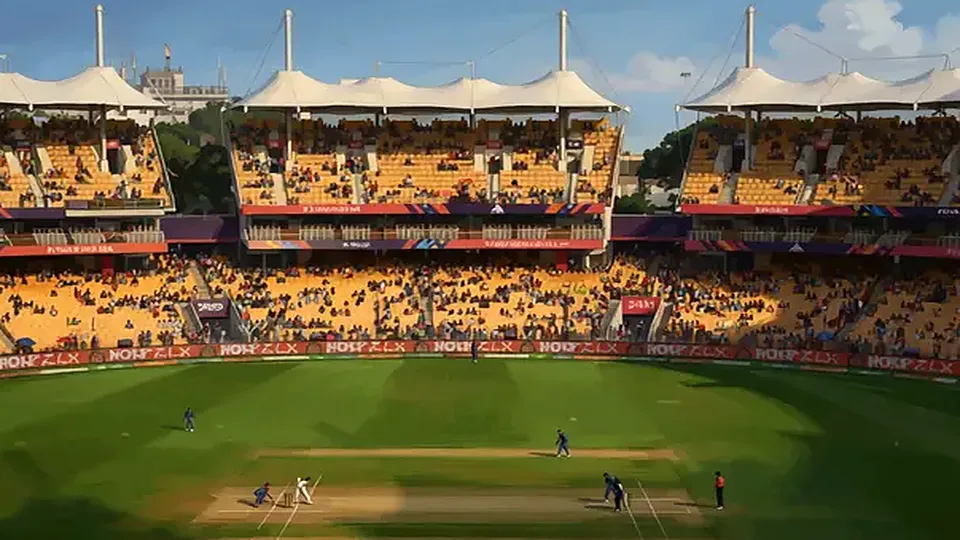
Ball 12, the new ball glistened as Bhuvneshwar Kumar ripped through the South African top order – a skiddy, hard‑length delivery that bowled Rohit Sharma for a duck. The early wicket set the tone; India’s new‑ball burst was the only thing that ever looked like a weapon.
Why the New‑Ball Spell Stalled
Four overs later, the South Africans adjusted. Quinton de Kock, with his usual swagger, swung at a slower ball and found the gap behind point for a quick 23. The pitch, a sticky red‑soil track that had dried under the lights, offered just enough bounce to turn a decent length into a skiddy cutter. India’s seamers, accustomed to the sub‑continental bounce, struggled to find the right line, and the middle‑overs choke set in.
The Middle‑Overs Choke Explained
From overs 7‑14, India posted 98 for 5. The run‑rate hovered around 8.2, a figure well below the 9.5 that the T20 analytics engine flags as dangerous in a World Cup fixture. The real problem was the lack of boundary‑percentage. Only 18% of deliveries went for fours, compared with South Africa’s 27% in the same spell.
- Run‑rate dip: 9.4 → 8.2
- Boundary‑percentage: India 18% vs SA 27%
- Key wicket: Rohit Sharma (0 off 3)
In the dressing‑room, the chatter was palpable. Coach Rahul Dravid reminded the side of the Ranji grind, but the players seemed to be looking at the scoreboard more than the strategy board.
Death Bowling: The Achilles Heel
When the death overs arrived, India’s plan unraveled. The plan was to bowl at the yorker length, vary with slower bouncers, and use the impact‑player rule to bring in a fresh arm. Instead, the bowlers found a skiddy hard‑length that the batsmen exploited. Lungi Ngidi, with a full‑tidal swing, delivered three consecutive boundaries in the 18th over, taking India from 137‑7 to 158‑7.
The dew factor after 8:30 PM IST made the outfield slick, and South Africa’s chase turned into a sprint. The final over saw India conceding 16 runs – the kind of death‑over drama that leaves bookmakers scrambling.
Betting Angles: What the Numbers Say
For anyone hunting cricket betting tips India, the match offers a textbook case of value hunting on the live market. The pre‑match odds had India at 1.45 to win, South Africa at 2.80. After the 30‑2 collapse, the market swung to 1.70 for India, but the death‑over slip‑up sent the odds drifting to 2.20 before the final over. The key takeaway: watch the middle‑overs run‑rate and the death‑over boundary‑percentage – they are the early indicators of a line shift.
Another angle is the impact‑player gamble. India introduced Axar Patel in the 12th over, hoping to tighten the middle. The move cost them a wicket and a crucial over, but the odds didn’t reflect the risk until the 15th over when the market moved 0.15 in South Africa’s favour.
| Metric | India | South Africa |
|---|---|---|
| Run‑rate (first 10 overs) | 7.8 | 9.1 |
| Boundary‑% (overall) | 18% | 27% |
| Wickets lost (first 15 overs) | 5 | 2 |
| Final over runs conceded | 16 | 6 |
These figures translate into a clear betting edge: a live bet on South Africa after the 15th over, especially on the ‘under 10.5 runs in the final over’ market, would have been lucrative.
What This Means for the Campaign
India now faces a must‑win against England. The lesson from the SA game is simple – the new ball is a weapon only if you can sustain pressure beyond the first five overs. The middle‑overs need a higher boundary‑percentage, and the death bowlers must own the yorker‑slower mix. If they fail again, the odds will swing, and the sharp bettors will be waiting with their calculators.
In the words of a veteran commentator, “A team that can’t finish the job at the death will always be vulnerable to a good chase.” The South African win was a reminder that the World Cup is not won on the power‑play alone; it’s a 20‑over marathon where every segment matters.
Bottom Line for Bettors
For cricket betting tips India, keep an eye on three data points: new‑ball wicket‑taking frequency, middle‑overs run‑rate dip, and death‑over boundary‑percentage. When any of these deviate sharply from the tournament average, the live market will adjust, and sharp value will appear.
So next time you see India at 1.40, ask yourself: are they still holding the new‑ball advantage? If the answer is no, the smart money should be on the opposition, especially in the later stages of the innings.
“Cricket is a game of moments. The moment the new ball stops moving, the match changes – and so do the odds.” – Vikram Desai
Related coverage
- Jaipur's 11.8 Economy Spin Myth: Betting Tips India Must Read Before IPL 2026
- Cricket Betting Tips India: Jio AI Glasses Bring UPI to Matchday

Updated 2026-11-18 · Instant Rupee Deposits & 60s Withdrawals · 24/7 Support.
Access Official AlternativesTips Portal →Mobile Gaming & UPI Fintech Editor · Pune Desk
Arjun Sen benchmarks mobile sports platforms, Android APK performance, and instant UPI payment rails from Pune. He writes AlternativesTips's weekly verification column on cricket betting tips india.
Reader Discussion & Match Reactions (2)5.0★ Community (2 Comments)
Verified Indian cricket reader perspectives & tactical debate on alternativestips.com
Dravid reminding the side of the Ranji grind is fine, but India’s middle-overs 98 for 5 from overs 7-14 needed a domestic-level boundary hitter, not just a dressing-room speech. The 18% boundary rate in that phase shows the SMAT-style intent was missing.
The telemetry red flag is overs 7-14: India 98/5 at 8.2 RPO, with only 18% boundaries against South Africa’s 27%. Rohit’s 0 off 3 and de Kock’s quick 23 skew the early-phase model, but the 9.4 to 8.2 run-rate dip is the actual middle-overs choke.