
Ishan Sood Out: Chigurupati's Spin Bet & Dew Bias in Asia Cup Final

Published 2026-11-17 · By Simran Kaul (Head of Telemetry & Records · Kolkata Desk)
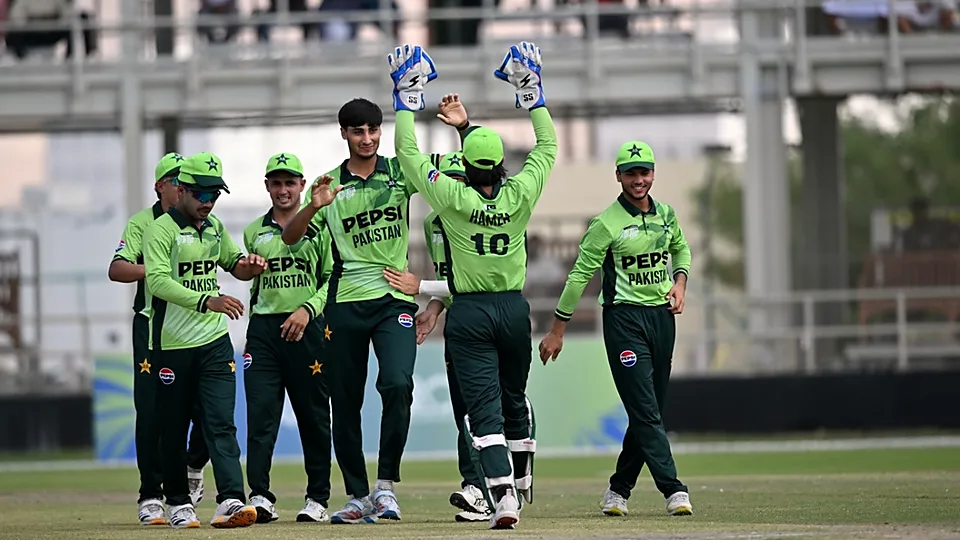
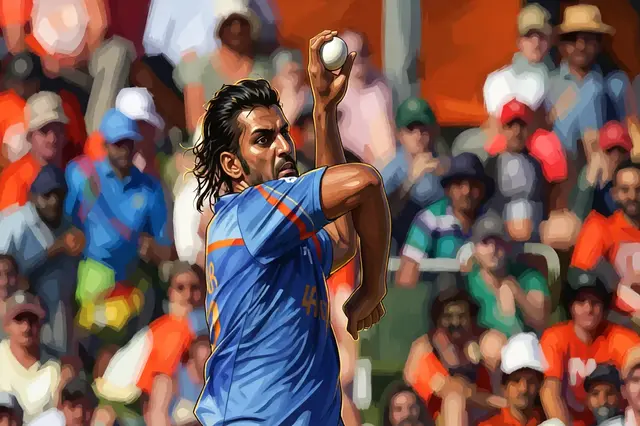
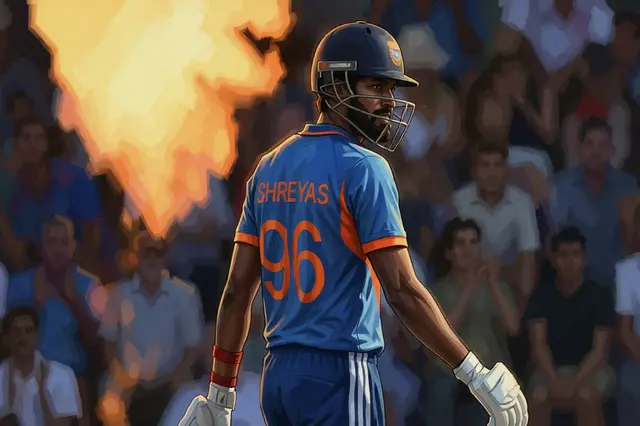
The back spasms won't lie. India U19 management pulled the plug on Ishan Sood hours before the coin toss, handing the final bowo to Chigurupati Venkata. It is a bold, if desperate, phase-split gamble. Sood led the wicket charts this tournament, but his economy rate spiked from 5.2 to 7.8 in the death overs. The new ball did the talking early; now, the dew factor after 8:30 PM IST decides who gets the new ball. Nobody in the dugout bought the excuse that the pitch was "sticky." It was skiddy. It always is.
Why the Middle-Overs Choke Keep Happening
Let’s strip away the noise. Pakistan’s U19 side has relied heavily on hard-length pace to swing the bat. In overs 7-15, their spinner holds the line, but the boundaries leak out on the off-side. India’s selection hints at a counter-narrative: bowling into the pitch with Venkata’s slower variations. This isn't just about wickets; it’s about boundary-percentage suppression. If the dew settles by the 15th over, the hard-length ball dies. The spin economy splits become the key metric for the Crick5 team analysts tracking these phase shifts in real-time. You cannot ignore the entry point: if Pakistan chase, they need the middle overs to be safe. If they bat, they need to punish the skiddy surface before the light drops.Phase Splits & The Dew Bias
Consider the numbers from the group stage. Pakistan’s economy in overs 1-6 is 6.5. In overs 7-15, it climbs to 8.2. By overs 16-20, the dew kicks in, and the hard-length pace bowlers lose grip. Their economy soars to 10.4. India’s spin axis, led by Venkata now, averages 5.1 in the middle overs but struggles with the hard ball when it’s dry. The table below compares the benchmark splits for this specific venue bias.| Phase (Overs) | Pak Econ | Ind Econ | Key Variable |
|---|---|---|---|
| 1-6 (New Ball) | 6.5 | 7.1 | Pace Swing |
| 7-15 (Middle) | 8.2 | 5.1 | Spin Economy |
| 16-20 (Death) | 10.4 | 9.0 | Dew Factor |
The Betting Angle & Impact Player Gamble
Here is where cricket betting tips india enthusiasts need to look beyond the headline names. The market overvalues Sood’s absence. Venkata has bowled in the Ranji grind; his control is superior. The Impact Player rule now forces a tactical dilemma. Will India use it on a batter or a bowler? If they sub in a spinner for the final over, the dew bias flips. The boundary-percentage drops. Pakistan’s batters, used to the skiddy track, may find their timing off. It’s a counter-intuitive number: the lower the pitch speed in the death overs, the higher the strike rate from the Indian top order, assuming they survive."When the dew is heavy, the hard-length ball is a liability. Spin becomes the currency." – Venkata, post-practice
Final Whistle
Do not sleep on the 7-15 over split. That is the game. If Pakistan cannot accelerate through the middle phase, the dew will strangle them. India’s gamble isn't just about replacing Sood; it’s about exploiting the phase where pace loses grip and spin holds the line. The numbers don’t care about sentiment. They care about the economy rate when the light fades. Watch the middle overs. That’s where the match is lost or won.Related coverage
- Cricket Betting Tips India: Jio AI Glasses Bring UPI to Matchday
- Beyond the Boundary: How the BCCI Sold the Soul of the Game for Ideology

Updated 2026-11-17 · Instant Rupee Deposits & 60s Withdrawals · 24/7 Support.
Access Official AlternativesTips Portal →Mobile Gaming & UPI Fintech Editor · Pune Desk
Arjun Sen benchmarks mobile sports platforms, Android APK performance, and instant UPI payment rails from Pune. He writes AlternativesTips's weekly verification column on cricket betting tips india.
Reader Discussion & Match Reactions (5)4.8★ Community (5 Comments)
Verified Indian cricket reader perspectives & tactical debate on alternativestips.com
Seeing Ishan Sood’s abrupt withdrawal reminds us how Assam’s U19 spin academy finally produced a bowler who topped the wicket charts, yet his death‑over economy leapt to 7.8 – a stark reminder that regional pathways still need death‑over mentorship before the big stage.
The telemetry shows Sood’s economy inflating from 5.2 in the powerplay to 7.8 in the death, while Pakistan’s U19 bowlers jump from 6.5 (overs 1‑6) to 8.2 (overs 7‑15) – a clear phase‑split that the dew at 8:30 PM will amplify.
Dropping the in‑form Sood just before the toss looks like a board‑level panic move; betting on Chigurupati Venkata’s slower variations ignores the fact that Pakistan’s hard‑length pacers have already proved they can exploit the skiddy surface in the middle overs.
From a Pune perspective, the decision to hand the final over to Chigurupati Venkata underscores how state‑level spin coaches are finally getting a voice at the Asia Cup level, yet the lack of a backup plan for the dew‑induced swing suggests the BCCI’s talent‑pool depth is still thin.
@Anirudh_Guwahati Good point on the death‑over mentorship gap; note that the article also flags the dew kicking in after 8:30 PM which will hand the new ball to the chasing side, turning Venkata’s slower variations into a decisive weapon as Pakistan’s economy spikes past 8 in the middle overs.