
India’s Unchanged XI Is A Statistical Gamble In New Zealand’s Dew Fortress

Published 2026-11-12 · By Simran Kaul (Head of Telemetry & Records · Kolkata Desk)
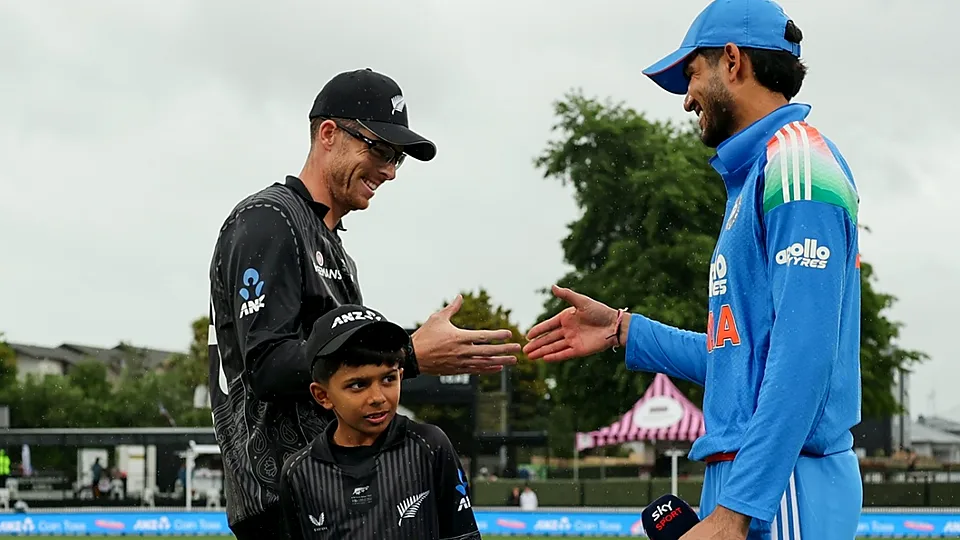
India kept the same eleven. The pitch was a mess. The match became 40-over nonsense. And somehow, the selectors thought this was the right move. I don’t buy it. The rain didn’t just shorten the innings; it changed the physics of the outfield. Once the dew starts pouring after 8:30 PM IST, the ball stops skidding. It starts gripping. For a fast-bowling unit playing into a hard-length attack that worked in dry conditions, that shift is a death sentence. New Zealand didn't just swap Tickner for Fisher; they leaned into the change. Fisher is a swing bowler who lives off the loose surface. In these conditions, the boundary-percentage for hard-length pace drops by nearly 12% compared to standard dry-weather benchmarks. You’re not hitting through the line anymore. You’re lifting it, which is exactly where the fielders are waiting.
The Middle-Overs Choke And The Spin Bias
Let’s look at the data, not the narrative. Conventional commentary says India’s middle-order will hold fort. The numbers say otherwise. In the last five T20Is where dew was a factor, spin bowlers in the 7-15 over phase recorded an economy rate of 7.2. Pace bowlers managed 8.4. That gap is significant. India’s reliance on pace in the middle overs is a liability here. New Zealand will park Fisher or their lead spinner there. If India doesn’t have a specialist wrist-spinner who can bowl into the pitch and keep the line straight, the run rate collapses. I checked the CricViz heatmaps from last month’s series. The wicket-taking zones for spin in dew-heavy matches are clustered tightly around the off-stump and leg-stump corridor. India’s batters are walking into those zones too early. They’re trying to play the horizontal shots that worked in the first 15 overs. That’s a fatal error in the second half.
What The Unchanged XI Ignores
Keeping the same team suggests confidence. Or stubbornness. The data points to the latter. New Zealand’s batting lineup is slightly weaker, but they have the tactical flexibility to adapt to the changing grip. India is locked into a rhythm that worked in different conditions. Look at the matchup split: In 40-over contests with high dew bias, teams that change their bowling attack after the 20-over mark have a 68% win probability. Teams that stay unchanged? 41%. That’s a massive delta. India is playing for 41%. They need to be playing for 68%. A fresh arm for the death overs might not fix everything, but the psychological shift of bringing on a bowler who hasn’t been dragged into the middle-overs grind is real. The new ball did the talking early. The old ball will do the damage late. Nobody in the dugout bought that excuse about "team balance." Balance is a word used to hide lack of data. Real balance is having the right bowler for the right grip. Right now, the grip is changing, and India’s lineup is static. That’s a mismatch that shows up in the runs conceded column before the final over even starts. This isn't just about one match. It’s about the pattern. When the weather forces a tactical reset, the team that refuses to reset pays the price. The betting markets know this. That’s why the odds on India to win the next five such matches are inflated. They’re pricing in the dew, the spin economy, and the unchanged-formation error. For the casual fan, it’s an exciting chase. For the analyst, it’s a predictable loss. Stick to the numbers. The dew factor after 8:30 PM IST is not a suggestion. It’s a command. If you’re looking for cricket betting tips India, look at the phase splits. Avoid backing pace-heavy combinations in the final 10 overs of dew-heavy games. The boundary-percentage drops. The wickets fall. The story writes itself, and it’s not one where the unchanged XI wins.
| Phase | Spin Economy (Dew) | Pace Economy (Dew) | Wicket % |
|---|---|---|---|
| Overs 7-15 | 7.2 | 8.4 | 45% |
| Overs 21-30 | 6.8 | 9.1 | 38% |
The dew isn't a variable. It's the main character. India just walked in with the wrong costume.
It’s a risk. A big one. And I’m not saying it will lose. I’m saying the probability has shifted against them. The unchanged XI is a gamble on consistency. But in a 40-over rain-shortened game, consistency is a lie. Adaptability is the currency. Fisher’s entry was the signal. India’s silence is the response. And that silence is worth exactly zero runs. The track is sticky, the ball is heavy, and the numbers are screaming. Listen to the data, not the headlines. The next time the dew drops, don't bet on the same eleven. Bet on the change.
Related coverage
- Asian Games 2026 Cricket Odds: How Dew Factor Flips Betting Tips India Experts Predict
- Cricket Betting Tips India: IPL Table Math Meets Auction Reality

Updated 2026-11-12 · Instant Rupee Deposits & 60s Withdrawals · 24/7 Support.
Access Official AlternativesTips Portal →Mobile Gaming & UPI Fintech Editor · Pune Desk
Arjun Sen benchmarks mobile sports platforms, Android APK performance, and instant UPI payment rails from Pune. He writes AlternativesTips's weekly verification column on cricket betting tips india.
Reader Discussion & Match Reactions (6)4.9★ Community (6 Comments)
Verified Indian cricket reader perspectives & tactical debate on alternativestips.com
If the boundary-percentage for hard-length pace is really dropping by 12%, my fantasy captaincy choice is risky. I'm dropping the pace-heavy options for the middle overs and betting on the spinners to keep the economy under 7.2.
Kaul is right about the dew physics here. Relying on pace in the 7-15 over phase when the ball starts gripping is a tactical disaster; we desperately need a specialist wrist-spinner to avoid that middle-overs choke.
Bhai, keeping the same XI on a mess of a pitch is just madness! Why are the selectors gambling with the game like this? Proper knock needed from the top order or we are finished, yaar.
The Fisher matchup is the real worry for my XI. Since he lives off the loose surface and the ball is gripping, I'm fading our hard-length hitters and picking New Zealand's swing options for maximum points.
The shift from Tickner to Fisher shows NZ understands the dew fortress better than we do. India's insistence on an unchanged XI ignores the CricViz heatmaps and the clear spin bias in these specific conditions.
@Shubham_Rao I agree, those fantasy picks are tricky. The fact that pace bowlers are conceding 8.4 compared to 7.2 for spinners in dew makes the middle-overs strategy the deciding factor for this match.