
Gambhir’s Great Divide: Why the Split-Camp Gamble is a Risky Bet

Published 2026-11-11 · By Vikram Desai (Chief Cricket & Analytics Editor · New Delhi Desk)
The decision came down like a sudden rain-shower in July. No preamble. No gradual transition. Just a clean, surgical split of the support staff after the third ODI.
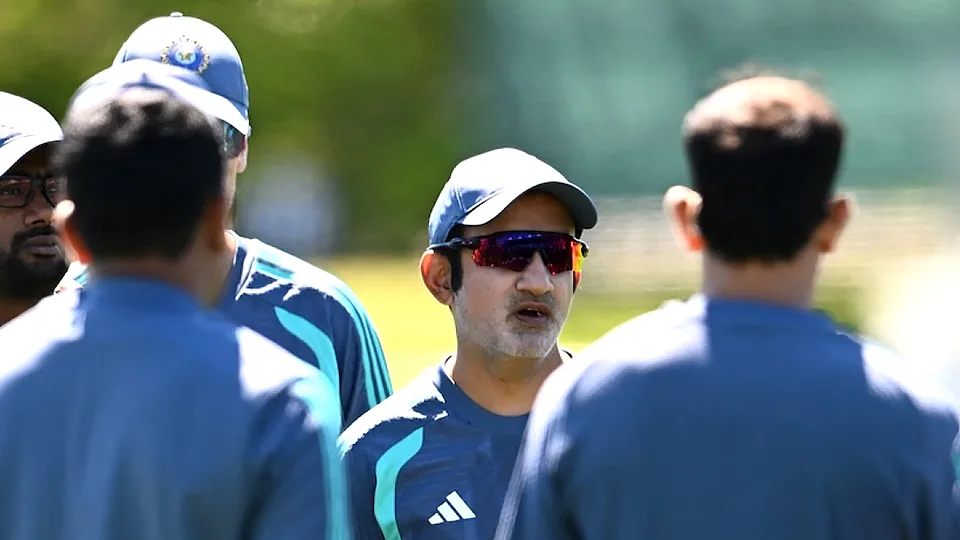
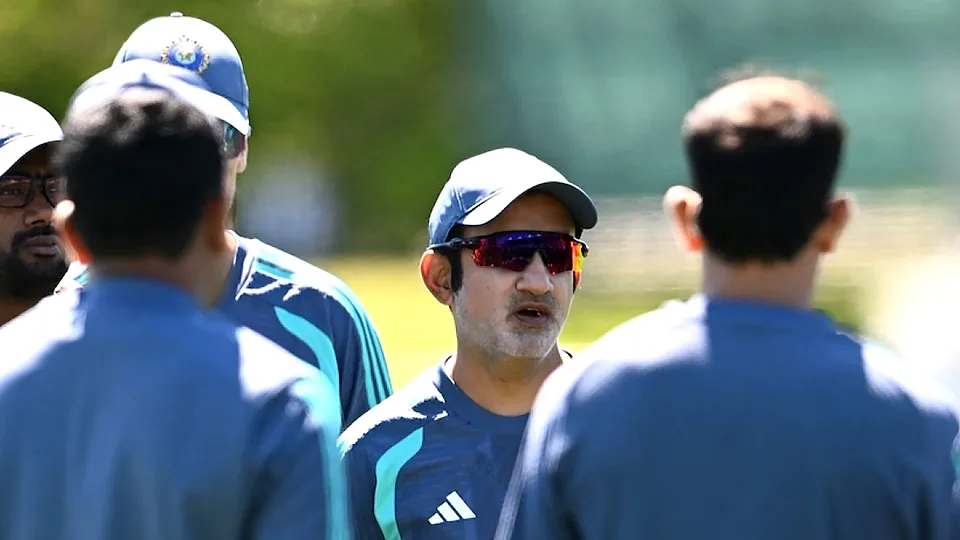
Sitanshu Kotak and Morne Morkel are packing their bags early to join the Test outfit. Meanwhile, Gautam Gambhir and Sairaj Bahutule will stick with the white-ball squad. It is a move that smells of desperation—or perhaps an obsessive need for precision. In the corridors of the New Delhi desk, the chatter is simple: does dividing the brain trust mid-tour actually help, or does it just create two different versions of 'the plan'?
The Logistics of a Divided Camp
On paper, it makes sense. The red-ball game is a different beast entirely. You don't prep for a sticky red-soil track by watching a batter clear the ropes in a 50-over slog. Morkel needs to be on the ground, analyzing the seam movement and the skiddy hard lengths that define the Test format. Kotak, conversely, needs to ensure the specialist batters aren't just playing the 'white-ball way'—that dangerous habit of chasing width instead of playing late and under the eyes.
But cricket isn't played on a spreadsheet. It is played in the dressing room. When you split the coaches, you split the chemistry. Gambhir—a man whose intensity can fill a stadium—staying behind with the ODI side ensures the white-ball discipline doesn't slacken. Yet, the Test squad loses its head coach at a critical juncture. Who manages the egos? Who handles the tactical pivots when the first session goes south?
High Stakes and Betting Odds
This isn't just a coaching quirk; it's a variable that changes the math for everyone. For those hunting for cricket betting tips india, this split is the kind of detail that shifts the needle. The market usually bets on continuity. Here, India is opting for specialization over stability. If the Test squad struggles with cohesion in the first two sessions, you can bet the house that the lack of a unified coaching presence will be the first thing the critics scream about.
Consider the risks:
- The Communication Gap: Information on pitch behavior and bowler fatigue often gets lost in transit between two camps.
- The Mental Shift: Players moving from Gambhir's high-voltage ODI camp to a Morkel-led Test camp might find the change in temperament jarring.
- The Spin Factor: Bahutule staying back means the spinners might miss out on early red-ball adjustments.
Avoiding the Middle-Overs Choke
Gambhir’s presence with the ODI side suggests he isn't satisfied. We've seen the middle-overs choke too often—that frustrating stretch where the run rate plateaus and the boundary-percentage drops. He wants to fix the engine while the car is still running. It's a bold call. Most coaches would prefer a clean break between formats, but the modern calendar doesn't allow for the luxury of a week's holiday.
"The goal is simple: maximize the specialization. We can't afford to be 'okay' at both; we have to be elite at each."
That's the official line. The unofficial reality? It's a gamble. India is betting that Morkel and Kotak can build a Test culture in a vacuum, while Gambhir polishes the ODI machine. If it works, it's a masterstroke of efficiency. If it fails, it will be remembered as the time the team tried to be in two places at once and ended up nowhere.
The red ball doesn't forgive mistakes. Neither does the press box. We'll see if this split pays dividends when the first ball is bowled, or if the lack of a unified front leads to a collapse in the first session. For now, the gamble is on. The dice are cast.
Related coverage
- India vs WI: Squads Out, But the Middle-Overs Choke Looms Larger
- NPCI Cracks Down: UPI Ban Threats Hit Cricket Betting Tips India Apps

Updated 2026-11-11 · Instant Rupee Deposits & 60s Withdrawals · 24/7 Support.
Access Official AlternativesTips Portal →Mobile Gaming & UPI Fintech Editor · Pune Desk
Arjun Sen benchmarks mobile sports platforms, Android APK performance, and instant UPI payment rails from Pune. He writes AlternativesTips's weekly verification column on cricket betting tips india.
Reader Discussion & Match Reactions (7)4.9★ Community (7 Comments)
Verified Indian cricket reader perspectives & tactical debate on alternativestips.com
Splitting the support staff mid-tour is a massive gamble. Having Morkel analyze seam movement for the Tests while Gambhir handles the white-ball discipline is logically sound, but the loss of a head coach to manage egos in the Test dressing room is a tactical void.
Bhai, this is too much tension! Why split the coaches now? Gambhir is a firecracker, but we need that same intensity for the Test match too, yaar. I hope this doesn't mess up the team chemistry.
This split changes the matchup dynamics completely. With Kotak focusing on ensuring batters don't play the 'white-ball way' in Tests, I'm adjusting my fantasy picks to favor the technical anchors over the aggressive hitters for the red-ball series.
The focus on red-soil tracks and skiddy hard lengths is where Morkel adds value. However, dividing the brain trust creates two different versions of 'the plan,' which could lead to inconsistent field placements across formats.
Paisa vasool intensity from Gambhir in the ODIs is great, but who is going to handle the tactical pivots in the first session of the Test? This decision feels like a total gamble, bhai!
If the specialist batters start chasing width in Tests because they've been in white-ball mode, my captaincy picks are in trouble. This coaching divide makes the batting order stability very unpredictable for the next few matches.
@Harshvardhan_K Exactly, the 'brain trust' split is the real worry here. As the article says, you can't just play cricket on a spreadsheet when the chemistry in the dressing room is being surgically divided mid-tour.