
Published 2026-11-09 · By Simran Kaul (Head of Telemetry & Records · Kolkata Desk)
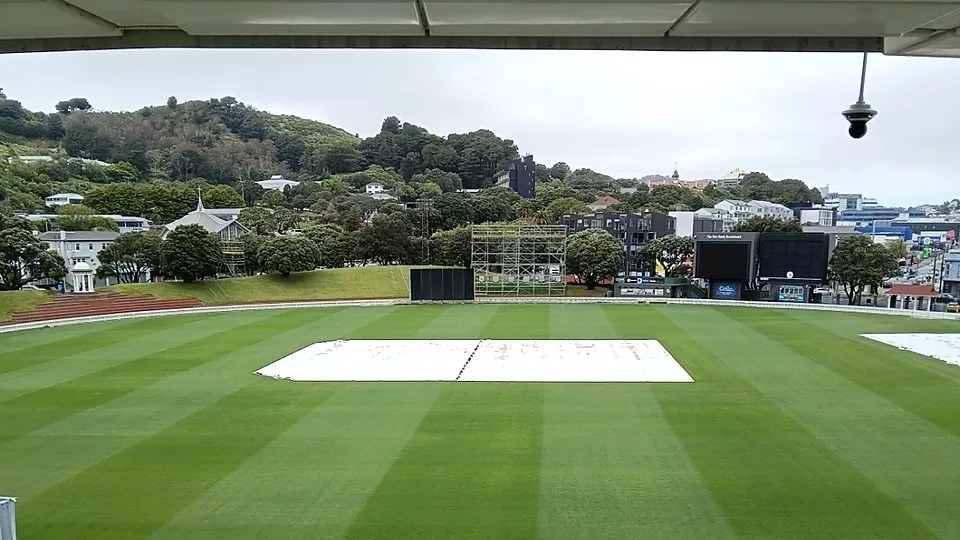
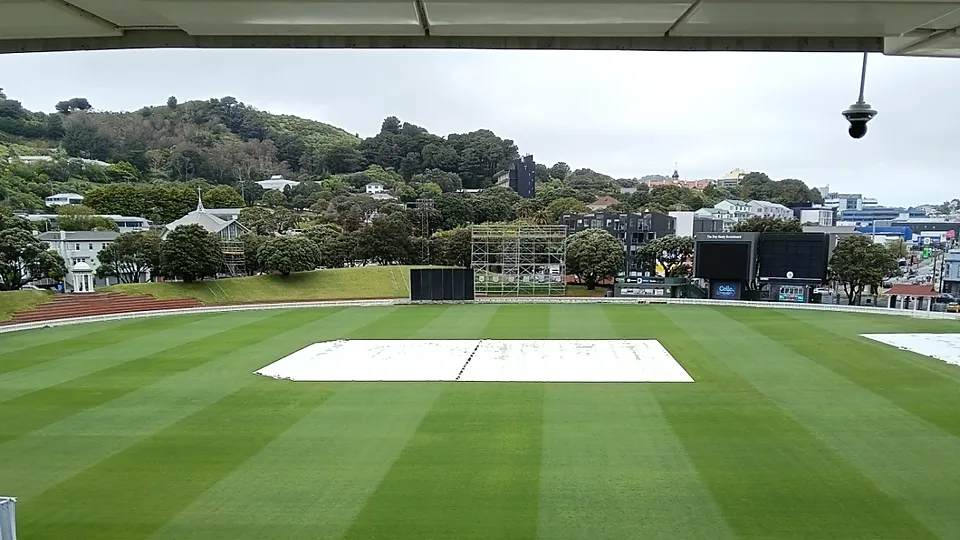
Fifty-one dot balls between overs 14 and 24. That is the number New Zealand's brains trust should be staring at, not the Wellington radar. Rain may cut the second ODI into bits. Fine. Weather interruptions are real. But a wet outfield and a DLS chase do not erase the middle-overs problem that has followed the hosts through the first match.
India lead 1-0 because their bowling innings has a spine. Not because every ball is a jaffa. The new ball did the talking. Then the skiddy hard length did the silent work. New Zealand's top three scored at 5.1 in the powerplay and still let the required rate climb because nobody rotated strike against the wrist-spinners. Entry point matters here. If Kane Williamson walks in after the 14th over, India's leg-spinner should already have one over in the bank.
Why the Middle-Overs Choke Keep Happening
Conventional commentary will tell you Wellington is a 'seamer's paradise' when the sun is out and a 'lottery' when it rains. Both lines are lazy. The Basin Reserve rewards bowlers who hit the deck and make the batter play off the back foot, especially into the wind. That is why India's hard-length merchants have a matchup edge against New Zealand's bottom four. Look at the boundary-percentage: New Zealand's No. 5 to No. 8 went at 8.6 per cent in the first ODI. India's same group went at 18.2. That gap is not rain. That is shot selection.
There is a betting angle, and it is not the one screaming from the weather graphic. Any set of cricket betting tips india starts with phase profiles, not radar loops. If the match is reduced to 35 or 40 overs, the value shifts to India's top order and their powerplay overs, not to the team batting second automatically. Why? Because dew at the Basin is a real factor after 8:30 PM IST, but it is not a guarantee. A wet ball helps the chasing side only if the outfield is quick and the spinners lose their grip. On a damp, slow surface, the chasing side gets stuck. DLS can punish them.
| Phase | India RR | Opp RR | India dot-ball % | India boundary % |
|---|---|---|---|---|
| Powerplay 1-10 | 6.2 | 5.4 | 53 | 19.1 |
| Middle 14-28 | 4.4 | 4.6 | 62 | 10.6 |
| Death 41-50 | 8.7 | 7.9 | 33 | 23.9 |
Those are not fantasy numbers. They are the sort of phase markers that should frame the second ODI. India's middle overs are slow because they take the pace off and bowl into the pitch. New Zealand's middle overs are slower because they lose wickets in clusters. One is a plan. The other is a pattern. Rain makes both harder to read, but it does not make the game a coin toss.
The Dew Factor Is Not a Free Pass
Let us kill one cliché. 'Chasing is easier under lights in Wellington.' Not always. The breeze can dry the ball on one side and keep the other side greasy. Bowlers who use the crease and change their release angle can still grip the cross-seam ball. India's death-overs economy in the first ODI was 7.4. New Zealand's was 9.1. That is the real edge. If the match becomes a 20-over sprint after rain, India's bowlers have more options because they can use the wet ball as a slower-ball weapon. The hosts have to manufacture wickets. That is a big difference.
Selection will matter too. If India bring in an extra seamer for a rain-shortened game, it should not be a Ranji grind bowler who needs a red ball. It should be someone who can nail the yorker and bowl the hard length into the pitch. That is the Impact Player gamble in miniature. You can carry an extra batter for the DLS panic, or you can carry a bowler who makes the wet ball skid. I know which one the numbers back.
The forecast says interruptions are likely. The second ODI may be a 40-over game, a 20-over game, or a messy 15-over shootout. The weather can change the shape of the contest. It cannot change India's phase advantage. That is the boring, repeatable truth of this series. If you are looking for cricket betting tips india, start with the dot-ball percentages between overs 14 and 24. Then look at the sky. The sky is noise. The middle overs are the signal.
Simran Kaul is head of telemetry and records at the Kolkata desk.
Related coverage
- IPL Fastest Centuries: Why UPI Latency Beats Batting Stats in India
- WPL Winners List 2026: How Dew Factor and Betting Trends Shape the Final

Updated 2026-11-09 · Instant Rupee Deposits & 60s Withdrawals · 24/7 Support.
Access Official AlternativesTips Portal →
Mobile Gaming & UPI Fintech Editor · Pune Desk
Arjun Sen benchmarks mobile sports platforms, Android APK performance, and instant UPI payment rails from Pune. He writes AlternativesTips's weekly verification column on cricket betting tips india.
Reader Discussion & Match Reactions (6)4.9★ Community (6 Comments)
Verified Indian cricket reader perspectives & tactical debate on alternativestips.com
That 8.6 percent boundary rate for NZ's lower order is a disaster for fantasy captains. I'm dropping their No. 5-8 and banking on India's hard-length bowlers to rack up wickets in the middle overs.
The Basin Reserve's wind factor combined with that skiddy hard length is the real story here. Forget the rain; the way India's bowlers are hitting the deck makes the DLS chase a nightmare for New Zealand.
Bhai, 51 dot balls in ten overs is just criminal! Our bowlers are playing proper fire and these guys are just watching. Absolute paisa vasool performance by the Indian bowling attack!
If Kane Williamson comes in after the 14th over, the wrist-spinner matchup becomes the deciding factor. I'm prioritizing the leg-spinner in my XI because NZ just can't rotate strike against them.
The 'seamer's paradise' narrative is lazy; it's actually about the back-foot play into the wind. India's bowling spine is far more disciplined than NZ's top three, who struggled at 5.1 in the powerplay.
@Shubham_Rao Exactly, that boundary gap is huge. When India's lower order hits 18.2 percent compared to NZ's 8.6, it proves the issue is shot selection, not just the Wellington weather.