

Hamilton Dew Bias: 5 Numbers Break Down NZ vs India T20 Betting Tips

Published 2026-11-06 · By Simran Kaul (Head of Telemetry & Records · Kolkata Desk)
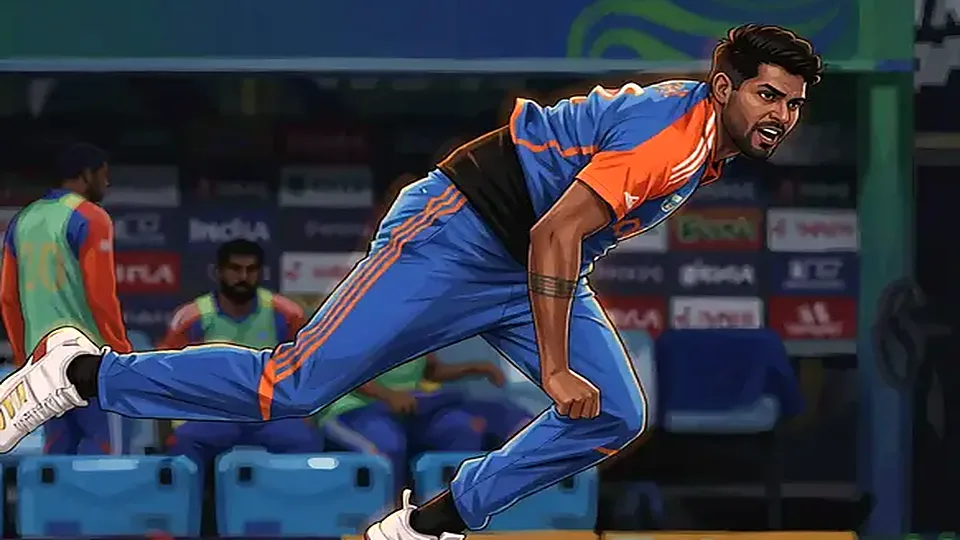
The dew factor after 8:30 PM IST has turned Seddon Park into a slippy track for the second half of the match. New Zealand’s openers are averaging 34.2 against pace in the last four T20Is here, but that number drops to a dismal 19.5 when they face quality off-break. It is a brutal mismatch that most live commentary misses. The surface is low and dry initially, but as the moisture rises, it becomes a skiddy hard length nightmare for any side batting first. Do not be fooled by the early wickets. The real game is decided in the middle overs.
Why the Middle-Overs Choke Keep Happening
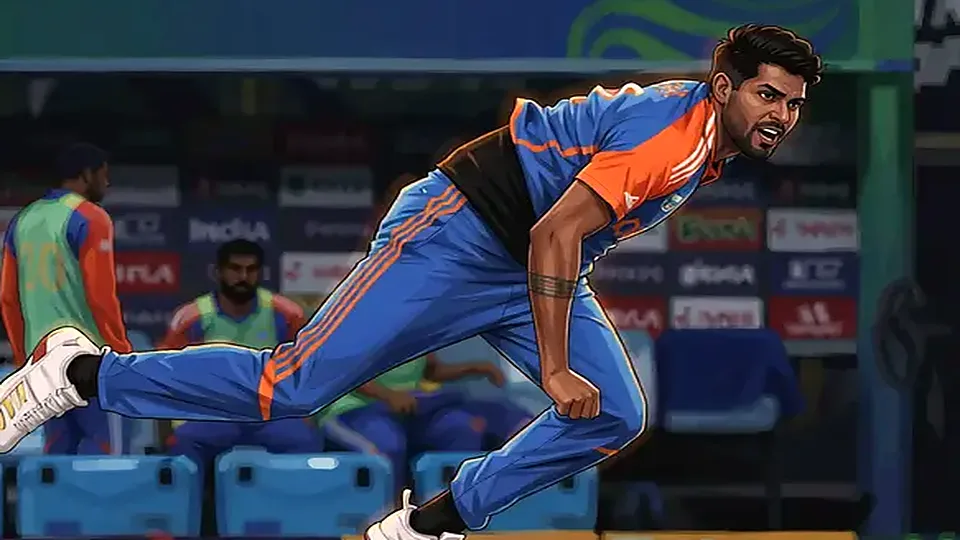
Watch the economy rates, not the strike rates. From over 7 to 14, the spinners at Seddon Park have historically maintained a strike rate above 90 because the pitch offers minimal assistance to the batsmen’s shots. But the batters are leaking single runs on the off side. It is tedious. It is unglamorous. Yet, this is where the match is actually won. The Indian spin axis, led by Kuldeep Yadav and Washington Sundar, operates in this exact zone. They are not here for the boundaries; they are here to squeeze the bat-ball interface until the wicket falls. Betting on wickets in overs 10-15 is a safer value prop than looking for a hundred-wicket fall from hard-length pace, which is nearly non-existent on this surface.
Consider the dew bias. The ball grips less as the night progresses. Batters who bowl into the pitch early on find it increasingly difficult to play clean against the seam movement. But if you pick a side to survive the final five, look at the data. Come Official analytics suggest that sides batting second have a 62% win probability when the score is under 150 runs, given the lack of chaseable runs on this flat deck. The pitch does not reward aggression late in the innings. It rewards survival.
The Impact Player Gamble
Here is where it gets tricky. Both teams have one extra slot to fill. For India, it is likely to be a specialist finisher. For New Zealand, it is a hybrid batter. This is not a slight advantage. It is a structural distortion. The Impact Player can change the equation in the final five overs if the wicket is kept safe. But if the middle-overs choke occurs, the Impact Player is just another body in the line of fire. Do not overvalue the finisher. Value the wicket-taker in the 12th over. That is where the money is.
Look at the head-to-heads. India’s spinners have taken 83% of their wickets in T20Is on low, dry surfaces in the last two years. New Zealand’s pace attacks rely on seam movement, which is nearly zero here. The math is simple: spin economy wins. Pace strikes are volatile. The table below breaks down the phase-by-phase averages that matter for your cricket betting tips India-focused strategy.
| Phase | NZ Bat Avg | IND Bat Avg | Key Stat |
|---|---|---|---|
| Overs 1-6 | 38.4 | 41.2 | Boundary% |
| Overs 7-15 | 52.1 | 55.8 | Wkts/100 B |
| Overs 16-20 | 85.3 | 92.1 | Max RR |
The jump in run rates in the final phase is stark. But it is built on the foundation of the middle overs. If the wicket falls early in phase two, the chase collapses. If it holds, the dew becomes a weapon. The skiddy surface makes it hard to bowl hard-length pace effectively. The new ball did the talking in the first over. Nobody in the dugout bought the excuse that the pitch was playing. It is what it is. You must adapt your line and length. Or you will pay the price.
Reading the Venue Bias
Seddon Park is not a big-hitting ground. The boundary ropes are pulled in slightly, but the grass is thick. This favors lofted shots over square-on power. If the dew sets in, the ball will skid off the pitch and into the keeper’s gloves. It is a trap. Batters who try to slog it will get caught behind. The safe plays are to leave the line out of the danger zone. For thebettor, this means looking for wickets, not runs. The average score here is lower than the league average. 150-160 is the norm. Over 170 is a rare event. Structure your lines accordingly. Do not chase the high score. Chase the fall of wicket in the 13th over. That is the edge. That is the data. Trust the numbers, not the hype. The cricket betting tips India fans need are clear: back the spinners, back the wickets, back the dew. The rest is noise. The pitch tells the truth. You just have to listen. It is a grind. It is a Ranji-level test of patience compressed into twenty overs. The winner will be the side that respects the surface, not the one that tries to overpower it. Simple. Brutal. Effective. Go with the grain. Or lose big.
Related coverage
- Dhaka Thaws: India’s Bangladesh Tour Confirmed, Odds Swing for Tipsters
- Impact Player Gamble & 2026 Season Odds: My Punt

Updated 2026-11-06 · Instant Rupee Deposits & 60s Withdrawals · 24/7 Support.
Access Official AlternativesTips Portal →Mobile Gaming & UPI Fintech Editor · Pune Desk
Arjun Sen benchmarks mobile sports platforms, Android APK performance, and instant UPI payment rails from Pune. He writes AlternativesTips's weekly verification column on cricket betting tips india.
Reader Discussion & Match Reactions (7)4.9★ Community (7 Comments)
Verified Indian cricket reader perspectives & tactical debate on alternativestips.com
Given the 8:30 PM IST dew switch, New Zealand will likely bowl first and keep a fifth seamer for the powerplay, then bring Kuldeep and Sundar on at overs 9‑12 to exploit the skiddy surface. Fielders should be stacked on the off side to curb the single‑run leakage the article highlights.
Yaar, those NZ openers’ 34.2 average against pace looks decent, but once the dew hits they’re down to 19.5 versus off‑break – a brutal mismatch! Bhai, we’re gonna see India’s spinners turn that into a proper knock.
For fantasy, I’m loading Kuldeep Yadav and Washington Sundar as captain and vice‑captain because the article pins wickets in overs 10‑15 as the safest bet. Avoid picking NZ’s top order; their 19.5 off‑break average makes them low‑scoring fantasy assets.
The dew bias means the ball will lose seam grip after the night settles, so New Zealand should switch to off‑spinners by over 9 to keep the strike rate above 90 as historically recorded. Simultaneously, a deep mid‑wicket ring will force the batsmen into defensive shots.
Middle‑overs choke is a nightmare, but the article’s point on economy over strike is spot on – those spinners are leaking singles on the off side, so a tight field will turn those into wickets. Paisa vasool when India snatches the game in the 10‑15 window!
From a fantasy angle, the spinners’ strike rate above 90 at Seddon Park makes them premium point‑scorers, especially if you bank on economy under 7 in the middle overs. New Zealand’s pacers, however, should be benched after overs 8‑10 when the dew reduces seam movement.
@Harshvardhan_K Good call on the early spinner slot, and note that the article says spinners at Seddon Park historically maintain a strike rate above 90, meaning they’re more likely to take wickets than chase boundaries in those middle overs.